How to Choose a Secure and Reputable Bitcoin Casino in Canada: 2026 Guide to Crypto Gaming Safety
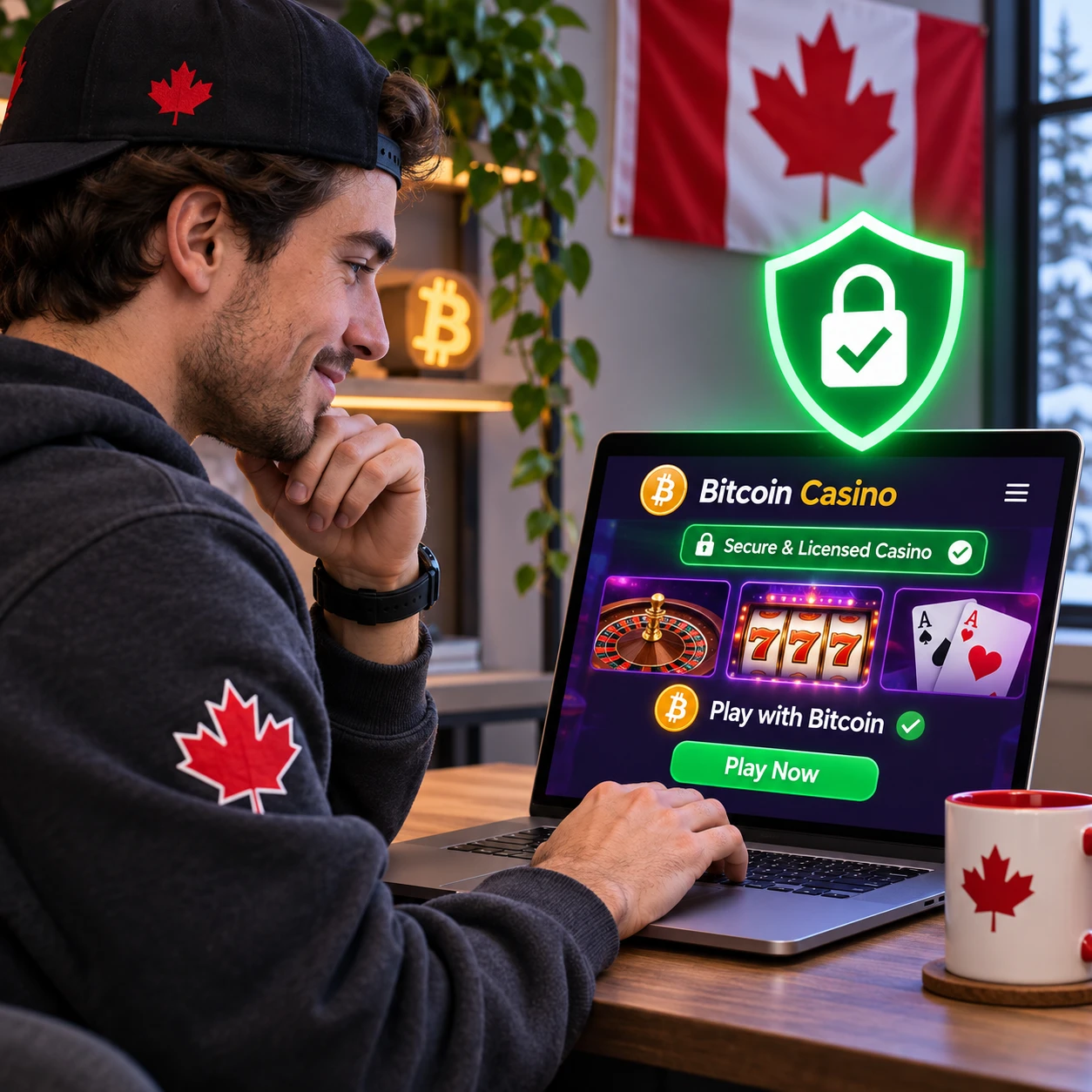
I've been watching the cryptocurrency gambling scene evolve in Canada for years, and 2026 has brought unprecedented growth in Bitcoin casino adoption. As someone who's navigated this space extensively, I understand the excitement of crypto gaming paired with the legitimate concerns about security and trustworthiness. The decentralized nature of Bitcoin offers incredible advantages, but it also means players need to be extra vigilant about where they place their bets and their coins.
Choosing the right platform isn't just about finding the best bonuses or game selection—it's about protecting your funds, personal information, and ensuring you're playing on a fair platform. In this comprehensive guide, I'll walk you through everything you need to know to identify secure and reputable Bitcoin casinos that serve Canadian players in 2026.
Why Bitcoin Casinos Are Growing in Popularity Among Canadian Players in 2026
The surge in Bitcoin casino popularity among Canadian players isn't coincidental. I've witnessed firsthand how cryptocurrency gambling addresses many pain points that traditional online casinos struggle with. The primary appeal lies in the level of privacy Bitcoin transactions provide—you're not sharing credit card details or banking information with gambling operators, which significantly reduces identity theft risks.
Transaction speed is another game-changer. While traditional online casinos might take 3-5 business days to process withdrawals, Bitcoin casinos can complete transactions within hours, sometimes even minutes. I've experienced the frustration of waiting days for winnings with conventional platforms, so this improvement feels revolutionary. The elimination of intermediary banks also means significantly lower transaction fees, allowing players to keep more of their winnings.
Accessibility is particularly important for Canadian players. Some traditional payment processors restrict gambling transactions, creating headaches when trying to deposit or withdraw funds. Bitcoin bypasses these restrictions entirely, providing seamless access to international gaming platforms. For players in provinces with limited gambling options, this opens up a world of possibilities.
Essential Security Features Every Reputable Bitcoin Casino Must Have
When I evaluate any bitcoin casino, security features are my first checkpoint. A reputable platform should implement multiple layers of protection, starting with industry-standard SSL encryption. This technology ensures that all data transmitted between your device and the casino's servers remains encrypted and unreadable to potential interceptors.
Two-factor authentication (2FA) is non-negotiable in 2026. This additional security layer requires you to verify your identity through a secondary device—typically your smartphone—before accessing your account. I enable 2FA on every crypto platform I use, and I recommend you do the same. It's the single most effective way to prevent unauthorized account access, even if someone obtains your password.
Transparent security policies are equally important. Legitimate casinos clearly communicate their security measures, data protection practices, and how they handle player information. If a casino is vague about security or hides this information deep within terms and conditions, that's a warning sign I never ignore.
Understanding Provably Fair Technology
Provably fair gaming represents one of Bitcoin gambling's most significant innovations. Unlike traditional online casinos where you must trust that games aren't rigged, provably fair technology allows you to mathematically verify each game outcome's fairness. The system uses cryptographic algorithms that generate random results transparently.
Here's how it works in practice: before each game round, the casino generates a server seed (kept secret initially) and shares a hashed version with you. You provide a client seed, and these combine to determine the outcome. After the round, the casino reveals the server seed, allowing you to verify the result wasn't manipulated. I always test this feature when trying a new platform—reputable casinos make verification straightforward and accessible.
Wallet Security and Fund Protection
How a Bitcoin casino stores your funds reveals much about their security priorities. The best operators use cold wallet storage for the majority of player funds—keeping cryptocurrency offline in hardware wallets disconnected from the internet. This protects against hacking attempts targeting online systems. Only a small percentage needed for daily operations should remain in hot wallets connected to the platform.
Segregated player accounts are another crucial feature. This means your deposits are kept separate from the casino's operational funds, ensuring that even if the business faces financial difficulties, your money remains protected and accessible for withdrawal. I always research how a casino manages funds before depositing anything substantial.
Licensing and Regulatory Considerations for Canadian Players
Navigating the licensing landscape for Bitcoin casinos requires understanding Canada's unique regulatory environment. While cryptocurrency gambling exists in a legal gray area federally, provincial regulations vary significantly. As a Canadian player, I focus on casinos licensed by reputable international jurisdictions that enforce strict operational standards.
The most respected licensing authorities in 2026 include the Malta Gaming Authority (MGA), the UK Gambling Commission, and the Government of Curacao. Each has different requirements, but MGA and UK licenses represent the gold standard, requiring extensive financial audits, game fairness testing, and player protection measures. Curacao licenses are more common among Bitcoin casinos and, while less stringent, still provide baseline oversight when issued by legitimate operators.
Gibraltar and Kahnawake (a Mohawk territory in Quebec) also issue gambling licenses recognized for their credibility. I verify licensing by checking the casino's footer for license numbers and visiting the licensing authority's website to confirm validity. Fake licensing claims are surprisingly common among rogue operators, so this verification step is essential.
It's worth noting that Canadian players aren't prohibited from using licensed offshore casinos. The legal responsibility typically falls on operators rather than individual players, though staying informed about your province's specific regulations is wise.
Evaluating Reputation: Red Flags and Green Flags
A casino's reputation tells you what licensing and security features alone cannot—how they actually treat players when issues arise. I've learned to thoroughly research any platform before depositing funds, and this due diligence has saved me from several questionable operators over the years.
Green flags I look for include: operational history of at least two years, transparent ownership information, responsive customer support available through multiple channels, consistently positive player reviews across independent platforms, and clear, reasonable terms and conditions. Established casinos that have built solid reputations over time are generally safer bets than brand-new platforms with no track record.
Red flags demand immediate attention. Delayed withdrawals are the most common complaint I see, especially when a casino suddenly requires additional verification after you win. While some KYC is reasonable, using it as a stalling tactic is unacceptable. Poor communication, unresponsive support, confusing or contradictory bonus terms, and accusations of confiscated winnings should all disqualify a casino from consideration.
I'm particularly wary of casinos that lack clear ownership information. Legitimate operators proudly display their company details, while shady platforms hide behind anonymous registration services. If you can't identify who actually runs the casino, walk away.
Where to Find Reliable Bitcoin Casino Reviews
Not all review platforms are created equal. I've found the most honest insights come from established gambling forums like BitcoinTalk's gambling section and Reddit's cryptocurrency gambling communities. These platforms feature real players sharing experiences—both positive and negative—without the commercial bias that affects some review sites.
Trustpilot and AskGamblers provide structured review platforms where casinos can respond to complaints, giving you insight into their customer service approach. I pay special attention to how casinos handle negative reviews—do they work to resolve issues or respond defensively? Casino.guru and ThePogg offer independent reviews with detailed casino profiles and complaint mediation services.
Be cautious of review sites that only publish glowing reviews or are clearly affiliate-driven with no critical analysis. I cross-reference multiple sources before forming conclusions about any platform's reputation.
Payment Processing: Withdrawal Speeds, Fees, and Transparency
Payment processing is where Bitcoin casinos should excel compared to traditional platforms, but not all deliver on this promise. In 2026, I expect Bitcoin withdrawals to process within 24 hours maximum, often much faster. The actual transaction time depends on network congestion and the number of confirmations required, but the casino's internal processing should be swift.
Fee structures vary significantly. Some casinos cover network transaction fees, while others pass them directly to players. I prefer platforms that clearly disclose all fees upfront rather than surprising you at withdrawal. Network fees fluctuate based on Bitcoin blockchain activity, but casinos can minimize costs by batching transactions or using Lightning Network for smaller amounts.
Withdrawal limits reveal a casino's liquidity and confidence. Reasonable limits protect against fraud, but excessively low daily or weekly maximums can indicate financial instability. I look for casinos with transparent limit structures that accommodate both casual players and high rollers appropriately.
KYC requirements for Bitcoin casinos are less uniform than traditional online gambling. Some operate with minimal verification, while others require full identity documentation. I appreciate when casinos clearly communicate their KYC policies upfront—knowing whether you'll need to verify your identity before playing or only upon withdrawal helps you make informed decisions.
Game Selection, Software Providers, and Fair Play Guarantees
The games a casino offers and who provides them serve as excellent indicators of legitimacy. Reputable software providers won't partner with questionable operators, so seeing names like Evolution Gaming, NetEnt, Pragmatic Play, and Play'n GO gives me confidence. These companies have reputations to protect and conduct due diligence before licensing their games.
Game variety matters beyond entertainment—it demonstrates the casino has invested in partnerships with multiple providers, suggesting financial stability and industry relationships. I'm cautious about casinos offering only their own proprietary games without third-party options, as this limits accountability for fairness.
Third-party auditing distinguishes legitimate casinos from pretenders. Organizations like eCOGRA, iTech Labs, and Gaming Laboratories International test games for fairness and randomness, issuing certificates when standards are met. I always check for current certificates—expired certifications are meaningless.
RTP (Return to Player) transparency is another quality marker. Reputable casinos publish RTP percentages for their games, showing the theoretical long-term return players can expect. While house edge means the casino profits overall, knowing a slot returns 96% versus 88% helps you make informed choices about where to play.
Responsible Gambling Tools and Player Protection Measures
A casino's commitment to responsible gambling reveals its ethical standards and long-term vision. Operators focused solely on profit often neglect player protection, while reputable platforms recognize that sustainable business requires protecting vulnerable players.
Essential responsible gambling tools include deposit limits (daily, weekly, and monthly), loss limits, session time reminders, and self-exclusion options ranging from 24 hours to permanent. I test these features by setting a small limit and verifying the system actually enforces it—some casinos offer tools that don't function properly.
Access to gambling support resources demonstrates genuine commitment to player welfare. Look for casinos that provide links to Canadian resources like the Canadian Centre on Substance Use and Addiction, provincial problem gambling helplines, and international organizations like GamCare and Gamblers Anonymous.
Reality checks might seem annoying when you're enjoying a winning streak, but these periodic reminders about time spent and money wagered help maintain perspective. The best casinos make these tools easily accessible through account settings rather than hiding them in obscure menu locations.
Final Checklist: Making Your Decision in 2026
After evaluating hundreds of platforms over the years, I've developed a systematic approach to choosing Bitcoin casinos. Before depositing any funds, I work through this comprehensive checklist to ensure I'm dealing with a secure and reputable operator.
Security verification comes first: confirm SSL encryption (look for the padlock in your browser), enable two-factor authentication, verify they use cold wallet storage for most funds, and test the provably fair system if available. These fundamental protections are non-negotiable.
Licensing validation requires visiting the licensing authority's website to confirm the casino's license number is legitimate and current. Don't rely solely on badges displayed on the casino site—fake credentials are easily created.
Reputation research means spending time reading recent reviews across multiple platforms, checking complaint forums, verifying operational history, confirming transparent ownership, and testing customer support responsiveness before you need urgent assistance.
Payment terms should be crystal clear: understand withdrawal processing times, know all fees involved, check withdrawal limits align with your playing style, and confirm KYC requirements so you're not surprised later.
Game fairness requires verifying software providers are reputable companies, confirming third-party auditing certificates are current, checking that RTP percentages are published, and testing the provably fair system on a few games.
Responsible gambling features should be present and functional: set a test deposit limit to verify it works, confirm self-exclusion options exist, check for session reminders, and ensure access to support resources is provided.
The Canadian Bitcoin casino landscape in 2026 offers incredible opportunities for entertainment and potential winnings, but only when you choose platforms wisely. Security, licensing, reputation, transparent payment processing, fair games, and player protection—these aren't optional features but essential requirements. By systematically evaluating casinos against these criteria, you protect both your cryptocurrency and your gaming experience. Take the time to research thoroughly, trust your instincts when something feels off, and never compromise on security for the sake of bonuses or convenience. Your diligence today prevents problems tomorrow.